Ironleaf Exterminating provides dependable, scientifically grounded pest control service in Seattle to safeguard living environments against regional biological pressures. Maritime moisture across Puget Sound drives persistent activity from wood-boring insects and commensal rodents, requiring specialized structural remedies rather than superficial pesticide applications.
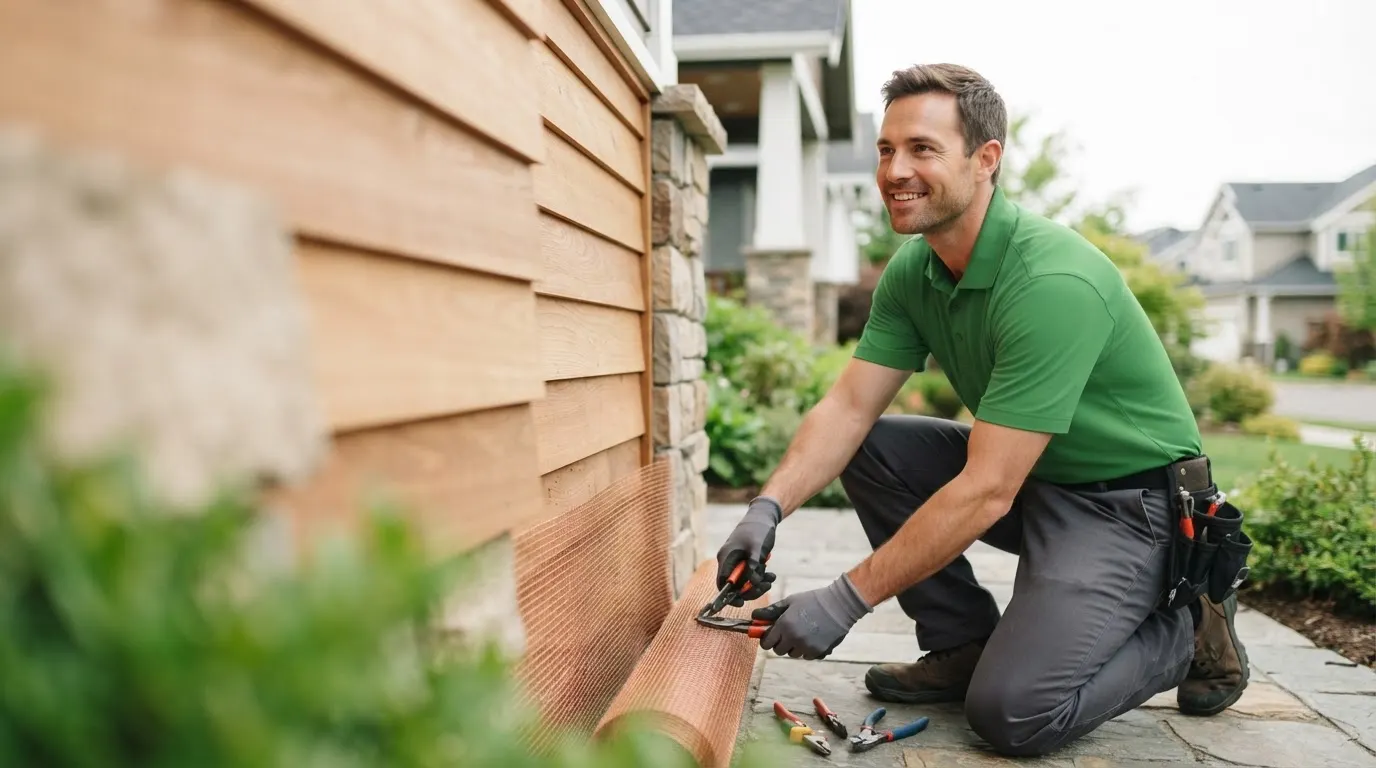
Pest control service in Seattle is a specialized structural inspection, targeted eradication, and building-envelope exclusion process designed to eliminate wood-destroying insects, public health vectors, and urban wildlife from residential and commercial properties.
Every service reflects the same meticulous attention to detail, whether it's a single job or a larger pest control sevice project across Seattle.
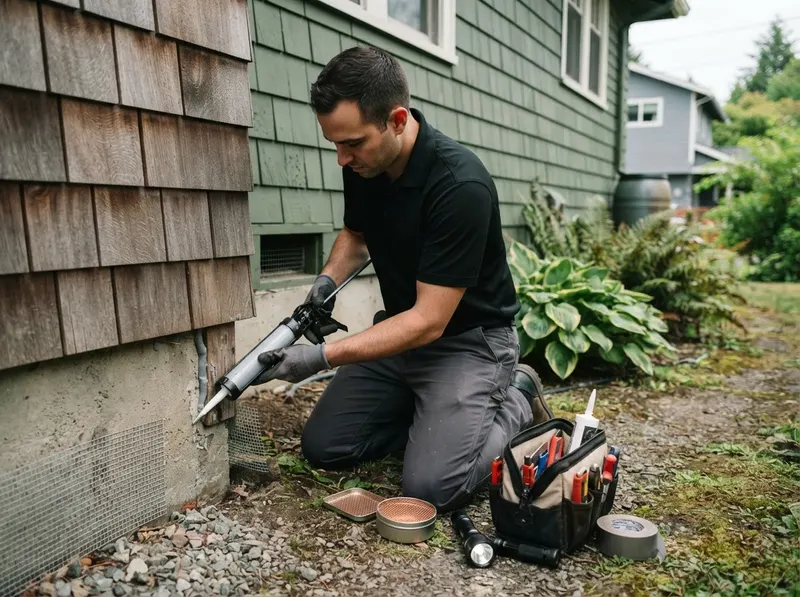
Subterranean Norway rats (Rattus norvegicus) and arboreal roof rats (Rattus rattus) exploit gaps as small as one-half inch around foundation vents, plumbing stubs, and rooflines across King County. Ironleaf Exterminating implements physical mechanical exclusion using 23-gauge galvanized wire mesh, copper mesh packing, and structural elastomeric sealants to close architectural bypasses permanently. Technicians identify specific gnaw marks, rub grease trails, and droppings across subfloors, attics, and drop ceilings. Internal populations are systematically removed using snap traps positioned strictly along mapped structural runways, avoiding second-generation anticoagulant rodenticides that present severe secondary poisoning hazards to regional raptors, domestic pets, and native wildlife. Adherence to physical exclusion standards outlined by the CDC Rodent Exclusion Guidelines ensures indoor living envelopes remain completely isolated from urban rodent vectors.
Get a quote →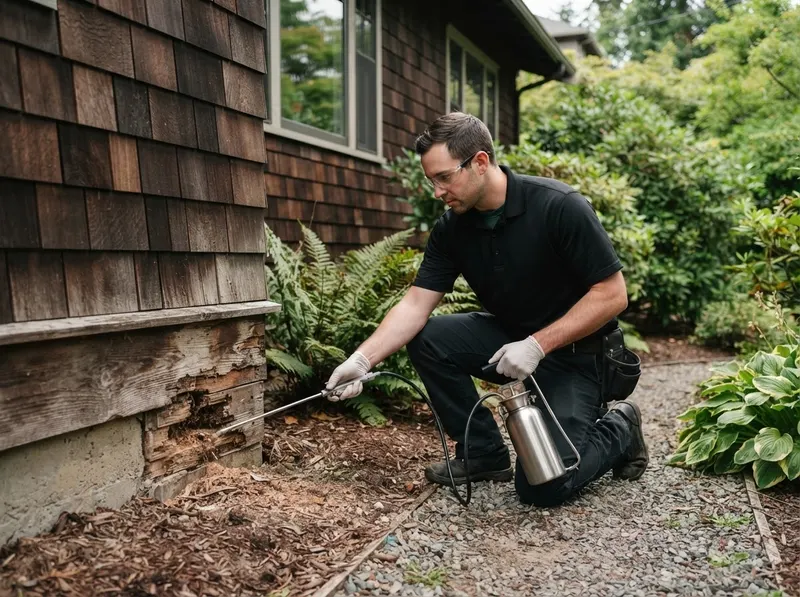
Western carpenter ants (Camponotus modoc and Camponotus vicinus) do not ingest cellulose fibers; instead, worker ants excavate smooth, clean galleries inside damp wall framing, sill plates, and crawlspace girders to establish parent and satellite nesting complexes. Field protocols involve detailed acoustic listening tools and infrared thermal imaging to trace moisture anomalies and detect hidden void activities. Technicians apply targeted non-repellent transfer insecticides and low-toxicity micro-injections directly into active nesting cavities, ensuring foraging workers carry active ingredients back to the reproductive queen through trophallaxis. Guidance supported by the Washington State University Extension Pest Management Program directs our non-destructive barrier treatments, targeting exterior perimeter perimeters, deck attachments, and roof intersections without indiscriminate high-volume chemical drenching.
Get a quote →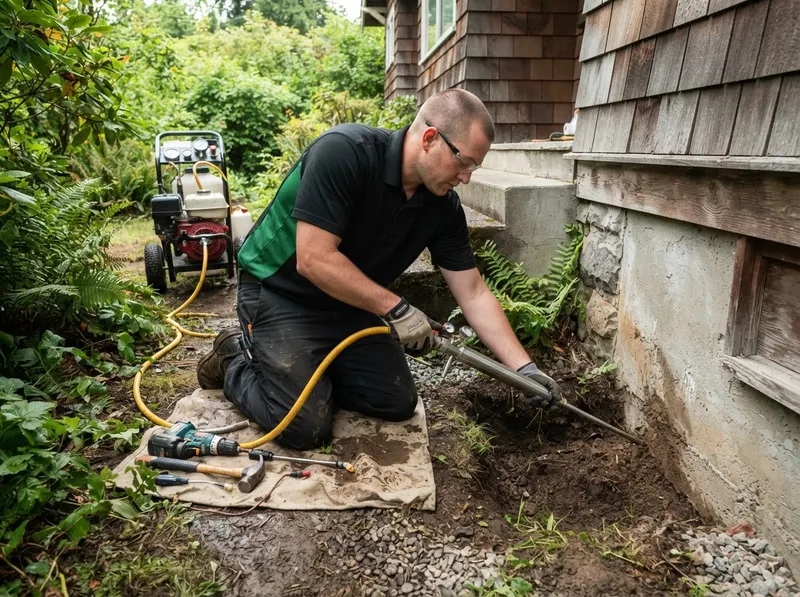
Sustained maritime precipitation along Puget Sound creates favorable microclimates for dampwood termites (Zootermopsis angusticollis) in rain-compromised siding and roof decking, as well as western subterranean termites (Reticulitermes hesperus) traveling through soil-to-structure mud tubes. Technicians execute comprehensive sub-structural assessments, identifying elevated wood moisture percentages, structural fungal rot, and cellulose debris in direct contact with wet soil. Ironleaf Exterminating deploys targeted non-repellent liquid termiticide barriers along foundation footings or installs low-profile perimeter bait stations to intercept subterranean foragers before timber damage occurs. Remediation protocols align with structural wood preservation directives published by the USDA Forest Service Forest Products Laboratory , prioritizing structural drying, downspout redirections, and mechanical separation of earth-to-wood framing.
Get a quote →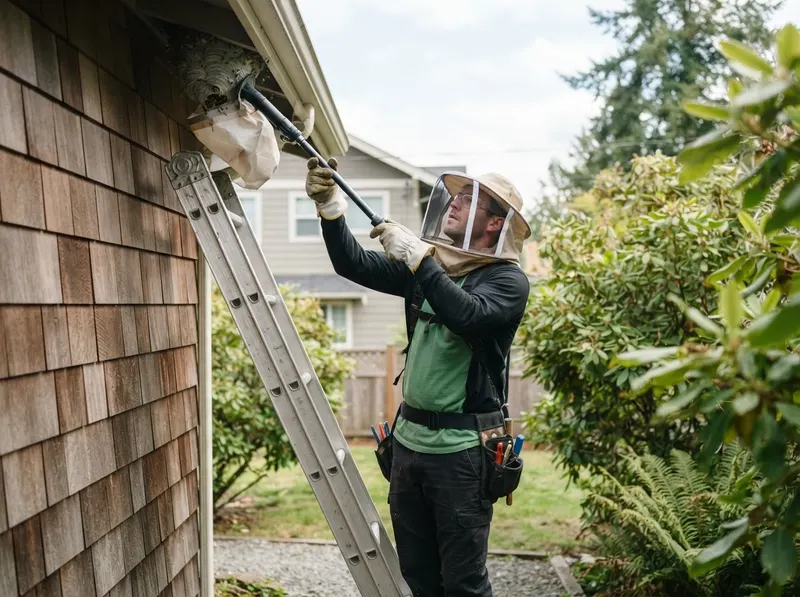
Aerial yellowjackets (Vespula vulgaris), paper wasps (Polistes dominula), and bald-faced hornets (Dolichovespula maculata) construct aggressive seasonal colonies beneath soffits, window flashing, structural deck joists, and attic air louvers from spring through autumn. Field technicians perform controlled daytime and dusk nest extractions using protective isolation gear, localized cold-fog contact formulations, and HEPA-filtered vacuum extraction equipment. Mechanical extraction of the physical paper comb prevents secondary infestations of carpet beetles and dermestids while eliminating queen-attracting pheromone residues. Methods prioritize natural species preservation wherever non-threatening native pollinators are present, operating within pollinator protection parameters maintained by the Xerces Society for Invertebrate Conservation to safeguard beneficial bumblebee populations and non-aggressive solitary bees.
Get a quote →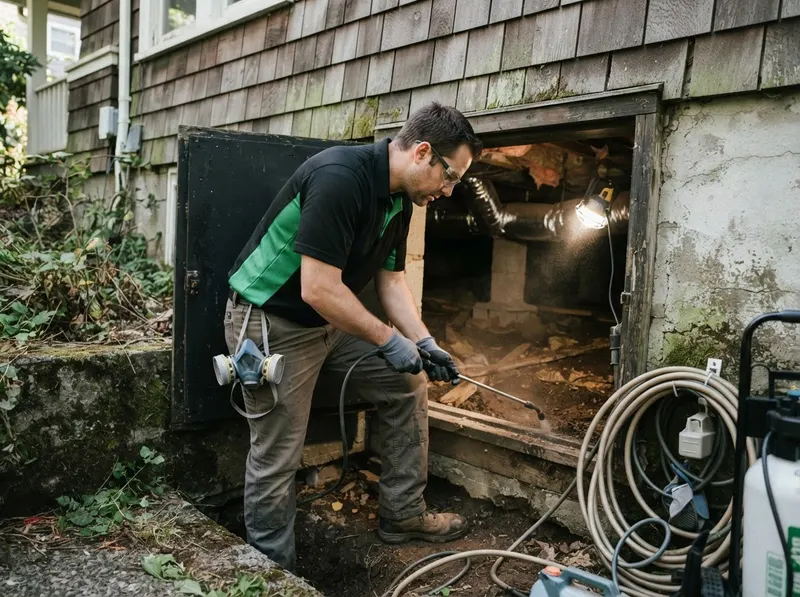
Commensal rodent colonies in crawlspaces soil subfloor fiberglass insulation, shred thermal pipe wraps, and compromise polyethylene moisture barriers, introducing airborne allergens into living areas via the architectural stack effect. Ironleaf Exterminating carries out comprehensive biohazard remediations, extracting soiled batting, rodent carcasses, urine deposits, and localized nesting waste under controlled negative-pressure containment. Technicians fog exposed floor framing and subfloor planks with hospital-grade, EPA-registered enzymatic biocides to neutralize hantavirus, leptospirosis, and roundworm pathogens. Crews then install reinforced 10-mil poly vapor retarders, seal subfloor plumbing and electrical chases, and secure crawlspace vent screens, complying with residential crawlspace insulation and ventilation directives established by the U.S. Department of Energy Building Technologies Office .
Get a quote →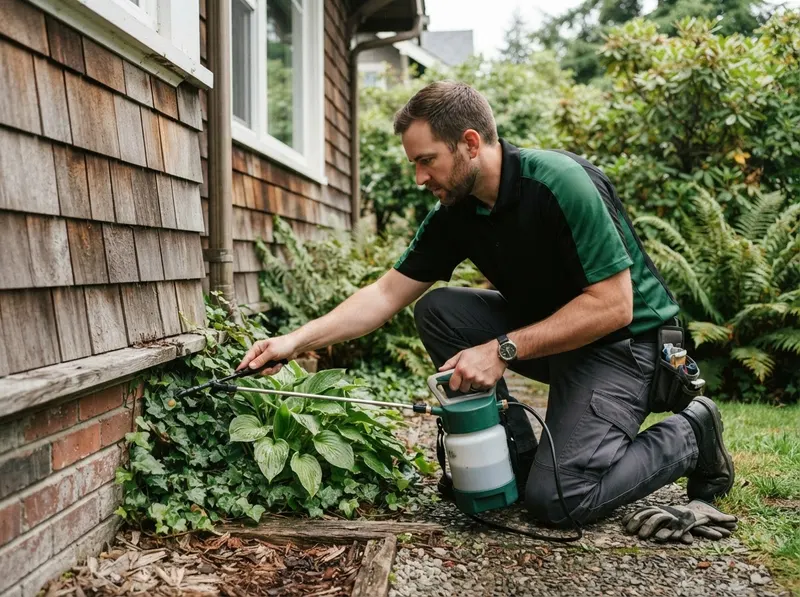
Western Washington properties support dense populations of native and introduced arachnids, including giant house spiders (Eratigena duellica), aggressive hobo spiders (Eratigena agrestis), and yellow sac spiders inhabiting crawlspaces, daylight basements, and foundation margins. Interventions utilize physical de-webbing and egg-sac sweeping using specialized telescopic poles, paired with natural botanical pyrethrin dusts applied directly into baseboard gaps, unfinished basement sill plates, and sill ledges. Technicians execute exterior exclusion, replacing deteriorated door sweeps and installing tight-mesh window screens to exclude primary insect prey sources. Management strategies reference structural arachnid biology documented by the Washington State University Department of Entomology , avoiding unnecessary wide-area synthetic pesticide drenching across outdoor landscaping, native flowerbeds, and vegetable gardens.
Get a quote →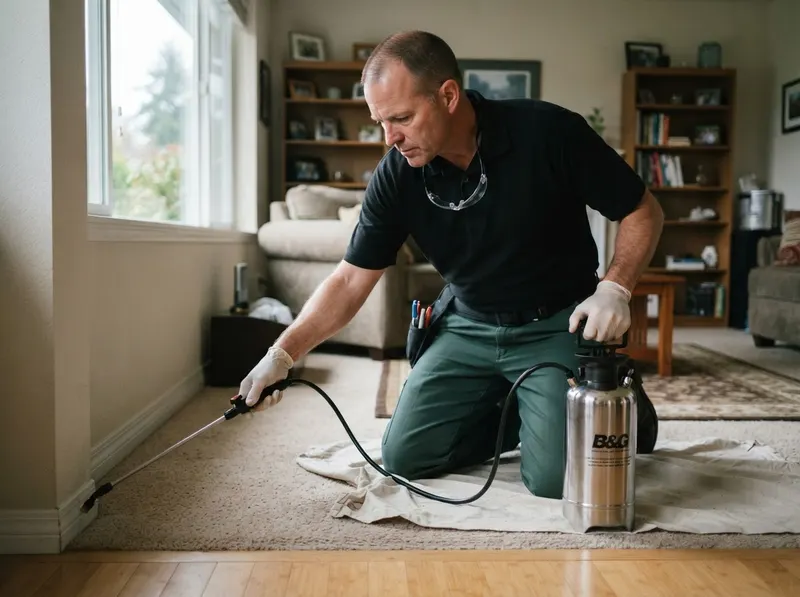
Cat fleas (Ctenocephalides felis) establish severe indoor populations following exposure to domestic pets or urban wildlife nesting under porches, crawlspaces, or outbuildings. Flea larvae develop within deep carpet piles, baseboard trim gaps, and upholstered furniture, feeding on adult flea frass. Ironleaf Exterminating executes dual-action botanical treatments combining low-toxicity adulticides for immediate knockdown with synthetic insect growth regulators (IGRs) like pyriproxyfen to disrupt pupal molting cycles. Comprehensive site preparation instructions guide residents on vacuum extraction, hot water textile washing, and concurrent veterinary treatments, complying with household parasite eradication best practices supported by the Companion Animal Parasite Council (CAPC) to ensure complete biological life-cycle interruption without lingering indoor chemical scents.
Get a quote →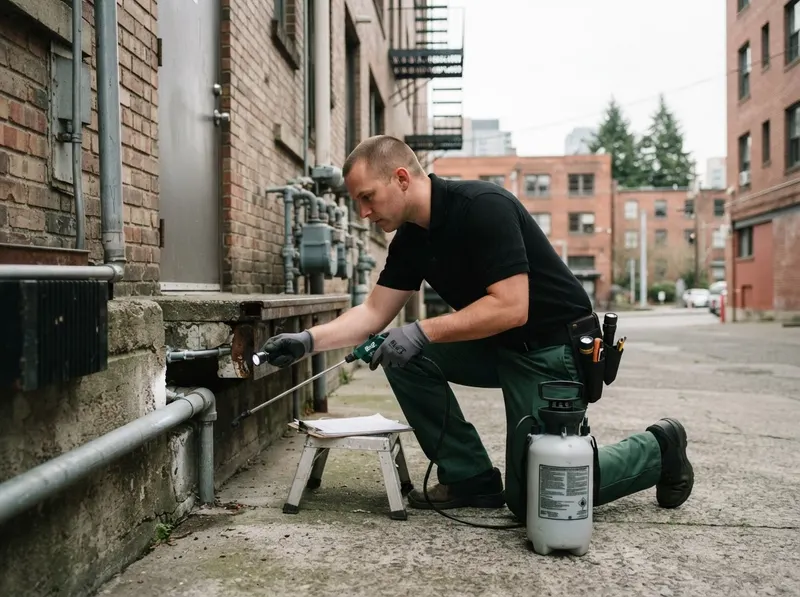
Commercial restaurants, wholesale food processors, multi-family housing complexes, and retail facilities in King County face stringent regulatory mandates regarding German cockroaches (Blattella germanica), pantry pests, and urban rodents. Ironleaf Exterminating provides non-invasive integrated pest management frameworks featuring tamper-proof monitoring bait stations, digital tracking logs, and non-volatile gel bait matrices applied to structural seams behind stainless steel preparation tables. Technicians provide documented sanitation inspection reports and gap assessments to assist management teams in meeting regional health ordinances enforced by Public Health, Seattle & King County , ensuring businesses eliminate vector risks, satisfy municipal health audits, and prevent administrative closures.
Get a quote →You get a firm, itemized quote for your pest control sevice before any work begins, no surprises, no pressure.
Careful prep, tidy work, and a full cleanup when we are done. We treat your home and belongings like our own.
The same trusted, background-checked team from the first call to the final check.
Selecting appropriate biological intervention in King County requires matching specific structural vulnerabilities to the biology of the target pest. If a property exhibits scratching in crawlspaces, chewed electrical wiring, or rub marks near attic headers, choose comprehensive rodent exclusion and mechanical trapping. If an older residence in Ballard or Queen Anne shows clean sawdust piles near subflooring or window assemblies, choose targeted carpenter ant void injection and perimeter barrier defense.
The trade-off between standard broadcast chemical treatments and targeted mechanical exclusion centers on longevity versus upfront operational scope: broadcast pesticide applications yield rapid, temporary knockdowns of surface insects at lower initial labor, but fail to stop rodents or satellite colonies from re-invading through exterior envelope gaps. Mechanical exclusion demands meticulous physical labor to seal penetrations using galvanized 1/4-inch hardware cloth and copper mesh, requiring higher upfront precision while permanently eliminating pest pathways without saturating the soil or living areas in synthetic toxins. For localized stinging insect nests under eaves or decking in Green Lake, single-visit mechanical removal or targeted aerosol void applications resolve immediate safety hazards without necessitating comprehensive subfloor inspections.
Properties along wet ravines in Magnolia or lush greenbelts in West Seattle frequently battle moisture ants and subterranean termites; selecting soil-level barrier barriers and structural drying resolves underlying attraction factors, whereas treating solely with contact surface sprays ensures re-infestation once rainfall dilutes exterior deposits. Navigating these treatment options depends on building age, foundation style, slope orientation, and proximity to municipal water mains or native green spaces.
Every project gets a firm, written price after a free on-site visit. Ranges below for orientation.
Tell us about your pest control sevice job and we'll send a clear, written quote, usually the same day. Or just call and talk to a real Seattle pro.
(253) 648-3797
Seattle’s distinct maritime climate produces persistent pest dynamics driven by sustained annual precipitation, moderate winter temperatures, and mature urban tree canopies. In historic residential neighborhoods like Ballard, Queen Anne, and Capitol Hill, older architectural framing often features direct soil contact, un-sleeved utility passages, and fieldstone-and-mortar footings that provide effortless crawlspace access for Norway rats. The surrounding geographic corridors, stretching from the tidal saltwater margins of the Hiram M. Chittenden Locks to the dense forest tracts of Discovery Park, foster expansive outdoor reservoirs of wood-destroying western carpenter ants and moisture-seeking arachnids that migrate indoors during seasonal rain shifts. Furthermore, Seattle's extensive combined sewer overflow system and historic brick drainage channels across older sections of Fremont, Wallingford, and Beacon Hill present underground highways where urban rat populations thrive insulated from surface temperature swings. Across West Seattle and Magnolia, sloped residential lots bordered by coastal ravines channel surface water directly toward structural foundations, elevating subfloor timber moisture to levels that attract destructive dampwood termites and moisture ants. Urban composting initiatives, dense multi-family developments along light rail corridors, and extensive residential gardening contribute rich foraging sources that sustain large rodent colonies throughout mild Pacific Northwest winters. These localized environmental factors demonstrate why standard chemical spray treatments fail: lasting structural defense requires tailored building-envelope mechanical exclusion, foundation vent steel-screening, crawlspace vapor management, and targeted timber drying that directly address Western Washington's unique coastal topography.
Free estimates for Seattle & the surrounding area.
For standards, safe disposal, and service guidance on pest control sevice in Seattle, WA, useful references include U.S. EPA, ENERGY STAR, U.S. Dept. of Energy, Consumer.gov, U.S. Census Bureau, and Google Maps. General consumer and small-business resources are available from USA.gov, Better Business Bureau, FTC Consumer Advice, U.S. Small Business Administration, and Ready.gov.
 Ironleaf Exterminating